Compare 8 dive shops
in Gili Islands.
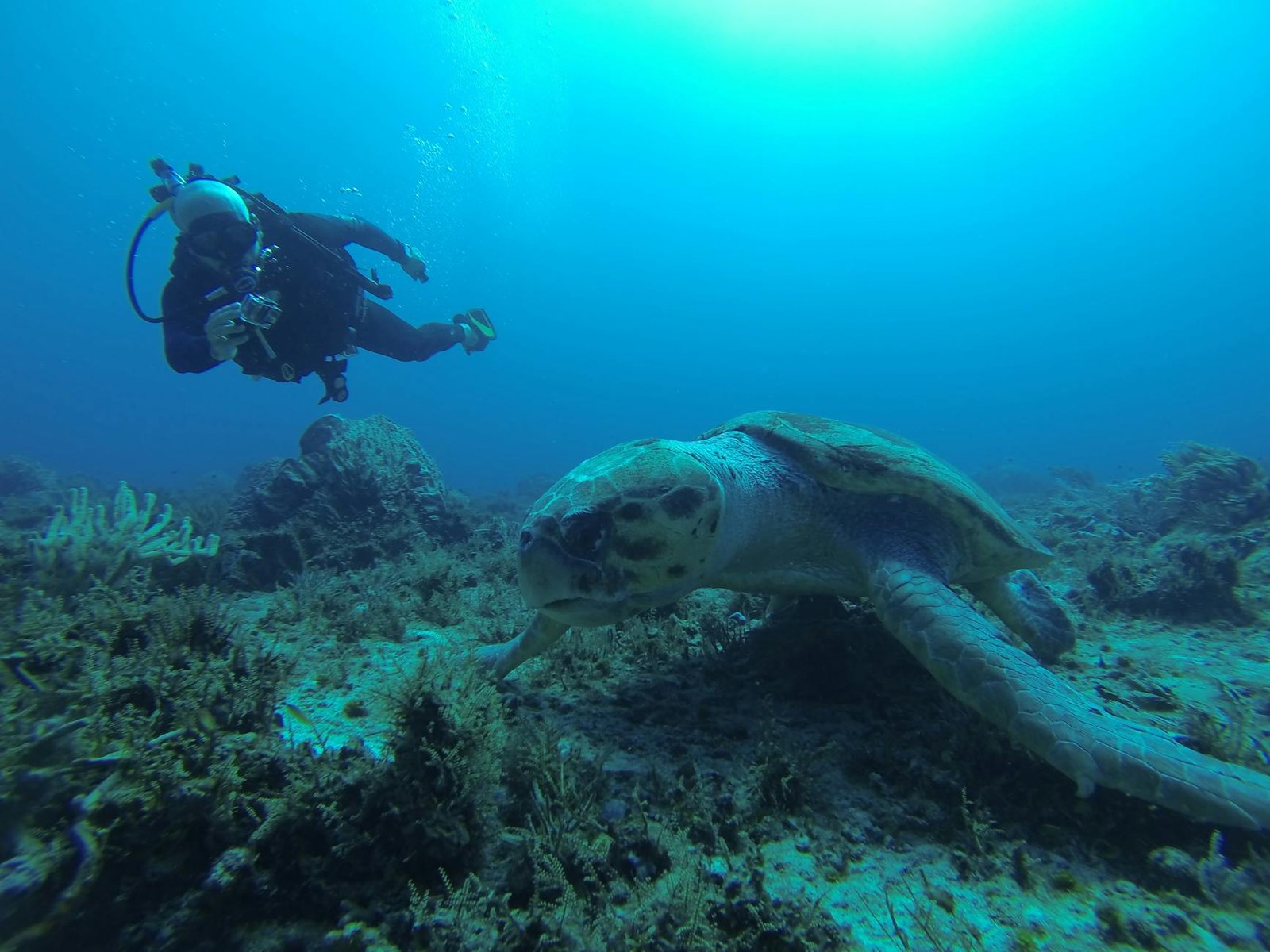
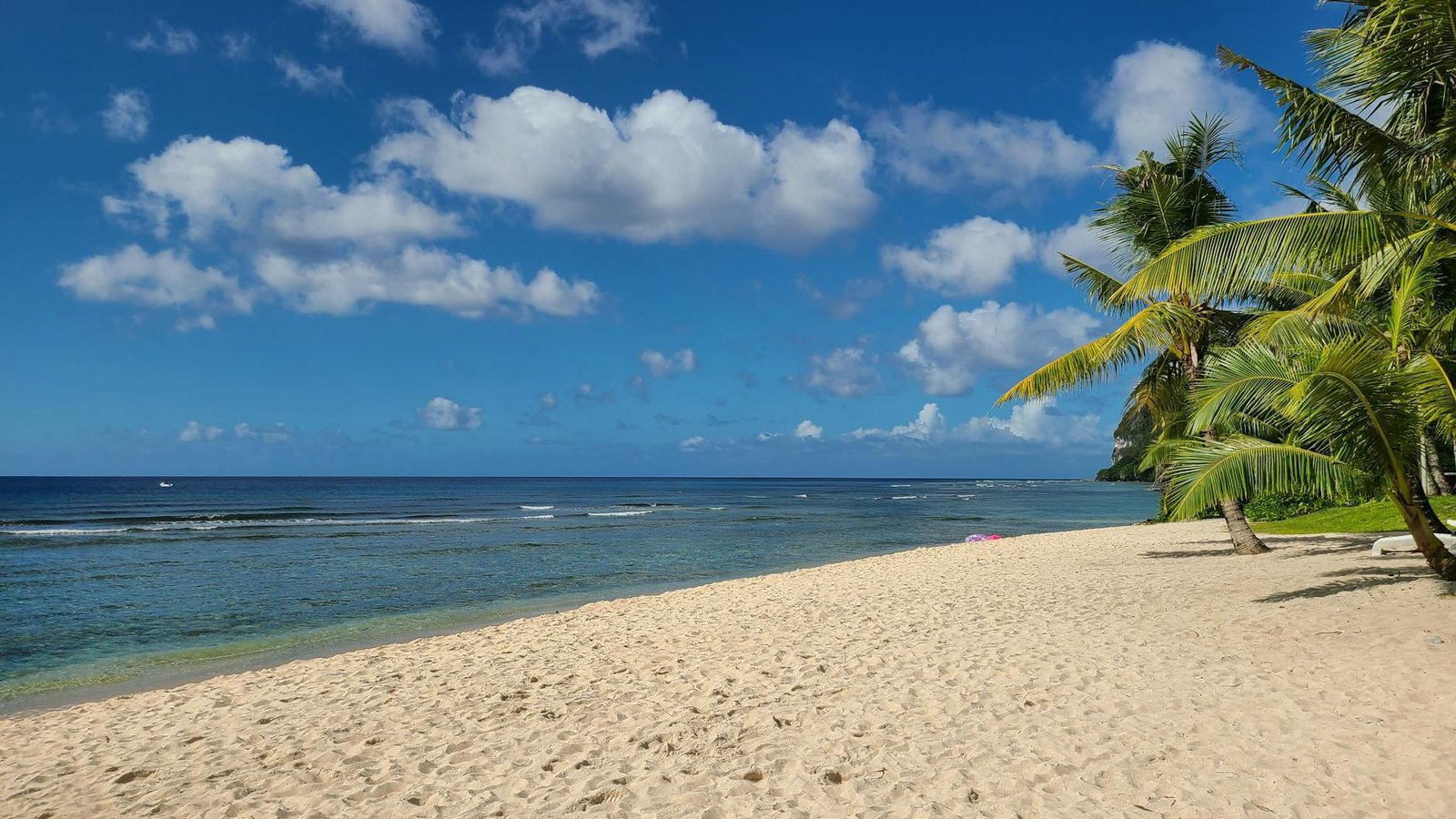
Three small islands northwest of Lombok with no cars, easy reef diving, and likely the highest turtle density in Southeast Asia. Popular for Open Water certification and chill long-stays.
Why the Gilis
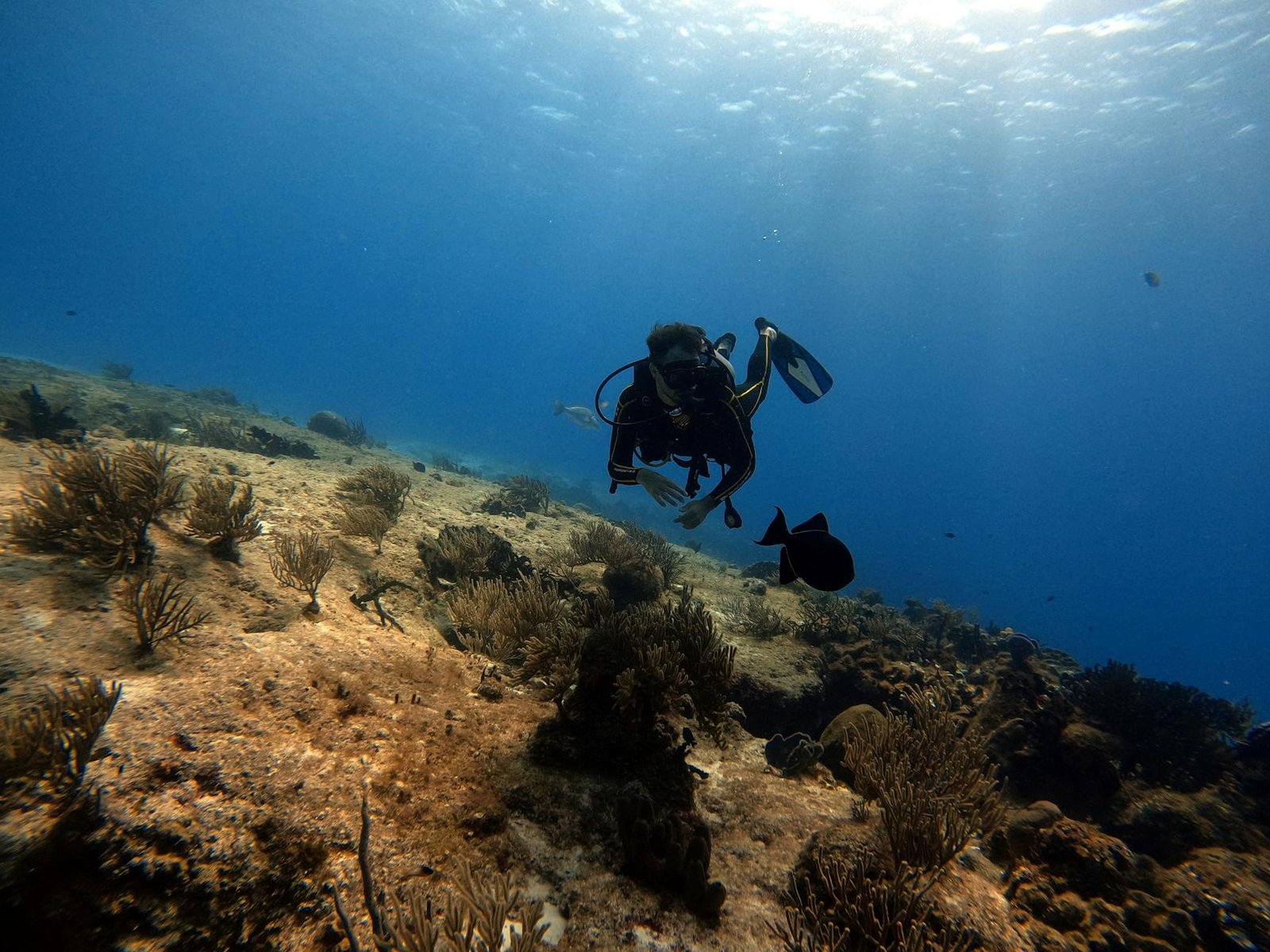
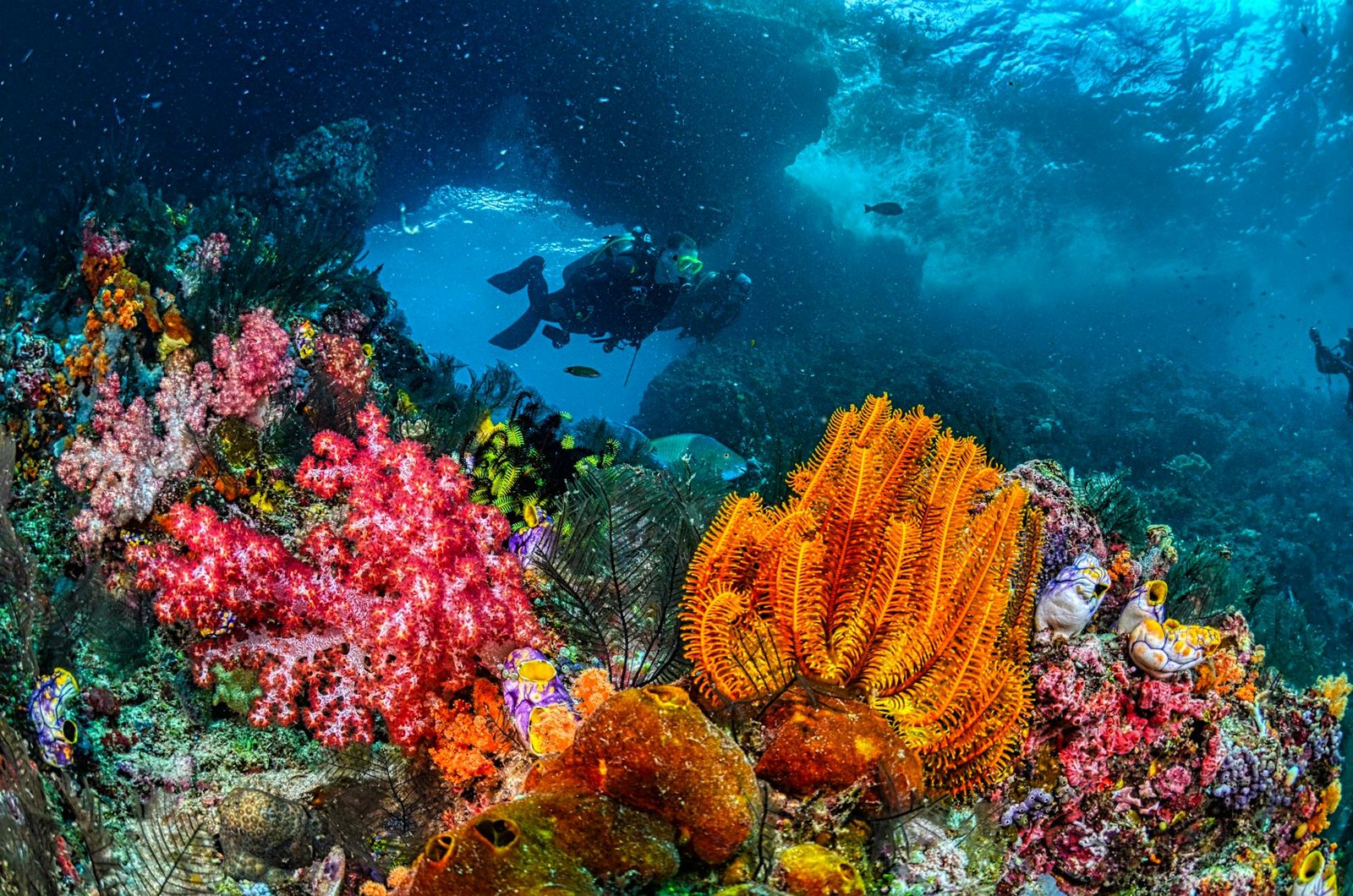
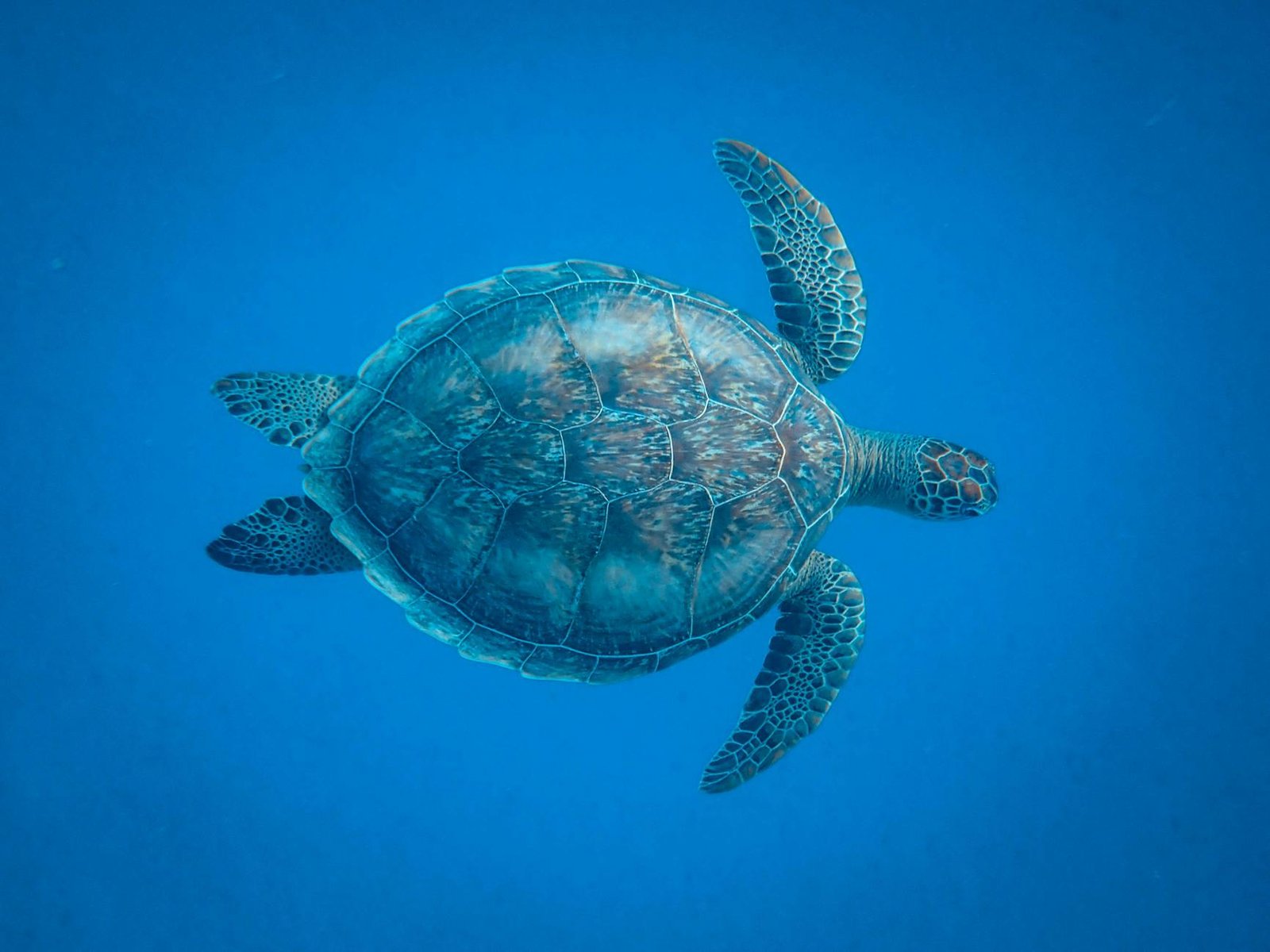
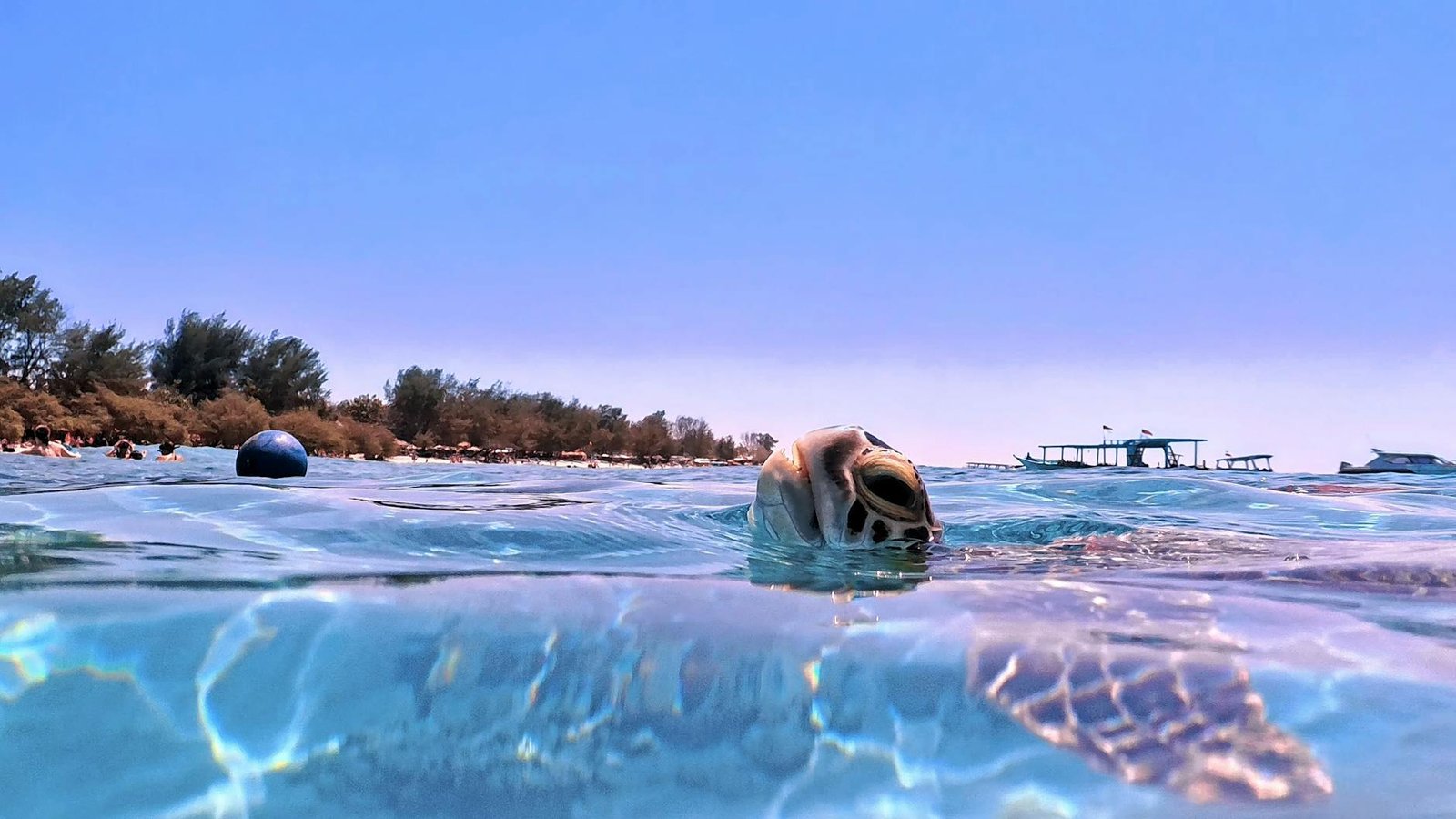
The Gilis are not big-fish destinations. You won’t dive with mantas or whale sharks here. What you get instead: warm water (28–30 °C), gentle conditions for most of the year, very high turtle density at most sites, and a community of small shops where the instructors actually know your name by day three.
The three islands have distinct personalities:
- Gili Trawangan — biggest, busiest, most dive shops, party-friendly. Choose this if you want shop selection and social energy.
- Gili Air — middle island. Quieter, mid-range accommodation, fewer but still very good dive shops. The Goldilocks pick for most divers.
- Gili Meno — smallest, quietest, romantic. Good if you want diving with effectively no nightlife.
You can dive on one island and visit the others by 5–10 minute boat hop. Most shops on Trawangan and Air run boats to roughly the same set of 20 dive sites surrounding the three islands.
What you’ll dive
Site density is high; you can do 50+ dives without repeating. The signature sites:
- Shark Point — whitetip and blacktip reef sharks, gentle drift
- Manta Point (Gili Meno) — manta sightings rare but possible Dec–March
- Halik Reef — strong turtle presence, easy depth (8–18 m)
- Bounty Wreck — small dock structure, easy training site
- Sunset Reef — soft corals and napoleon wrasse
- Air Wall — Gili Air’s most consistent vis dive
When to go
Best dive window: April–October. July–August is the absolute peak — calm sea, 25–30 m visibility, but also peak tourist density and slightly cooler water from upwelling currents (still wetsuit-able with 3 mm).
Avoid: December–February. Rainy season, occasional rough crossings from Bali, some shops reduce hours. The actual diving is often still OK, but the journey there and the chance of getting stranded on the island in a storm both go up.
Manta sightings: unreliable. December–March is the rumoured window at Manta Point off Gili Meno. Most operators will be honest: don’t book a trip here for mantas alone.
Conditions
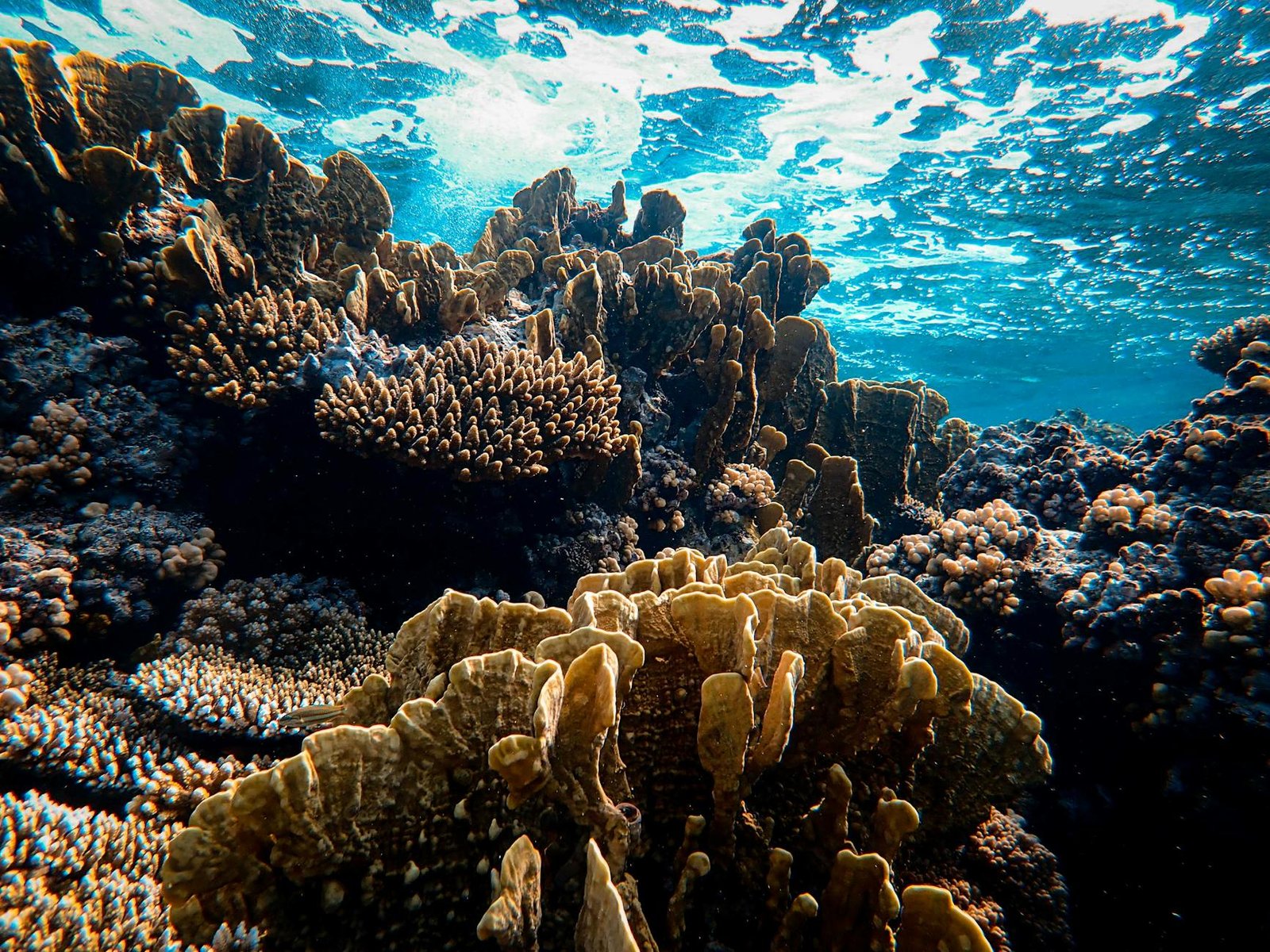
Water 27–30 °C. Visibility 12–25 m depending on tide and season. Currents are mostly mild on inshore sites; can be moderate at Shark Point and around the channels between islands. The 2018 earthquakes shattered some hard corals — recovery is in progress but visible at many sites. Local conservation efforts (BioRock structures around Trawangan) are accelerating regrowth.
Practical notes
- No ATMs that work reliably on Meno. Bring cash to Meno; ATMs on Trawangan and Air are fine.
- Power outages happen — generators kick in but charging laptops can be unreliable.
- The reef tax (around 50,000 IDR per stay) is collected by local authorities at port. Have small notes.
- Diving prices are quoted in IDR locally. We show THB-equivalent on this site for consistency; expect to pay 4–5.5 million IDR for the PADI Open Water at most reputable shops.
- No swimming in Meno’s main beach at low tide — exposed coral, painful. Use boat departures or the west side.
- Walking the rim of Trawangan takes 90–120 minutes. The island is small.
Not sure which shop?
Tell us your certification level, budget, and what matters to you — small groups, eco-focus, language, accommodation. We respond within 24 hours with two or three concrete shop recommendations from Gili Islands.